

NVIDIA Cosmos 3 redefines physical AI with its first open omni-model, streamlining AI development for robotics and smart spaces by integrating reasoning with action generation in a single model.
NVIDIA’s latest release, Cosmos 3, signifies a pivotal shift in the landscape of physical artificial intelligence. As the first open omni-model, Cosmos 3 integrates world generation, physical reasoning, and action generation into a single, cohesive system. This transformation simplifies the once fragmented process of developing AI systems that interact with the physical world, offering a unified foundation for applications ranging from robotics to smart spaces.
Omni-model Architecture
The core innovation of Cosmos 3 lies in its Mixture-of-Transformers (MoT) architecture. Previous models required separate systems to handle world generation, control generation, scene understanding, and policy formulation. Cosmos 3 unifies these processes, enabling users to generate and reason about physical worlds through a singular model. This consolidation allows for efficient, simultaneous handling of different modalities like text, image, video, and action inputs, a fundamental step forward in AI system integration.
Capabilities and Applications
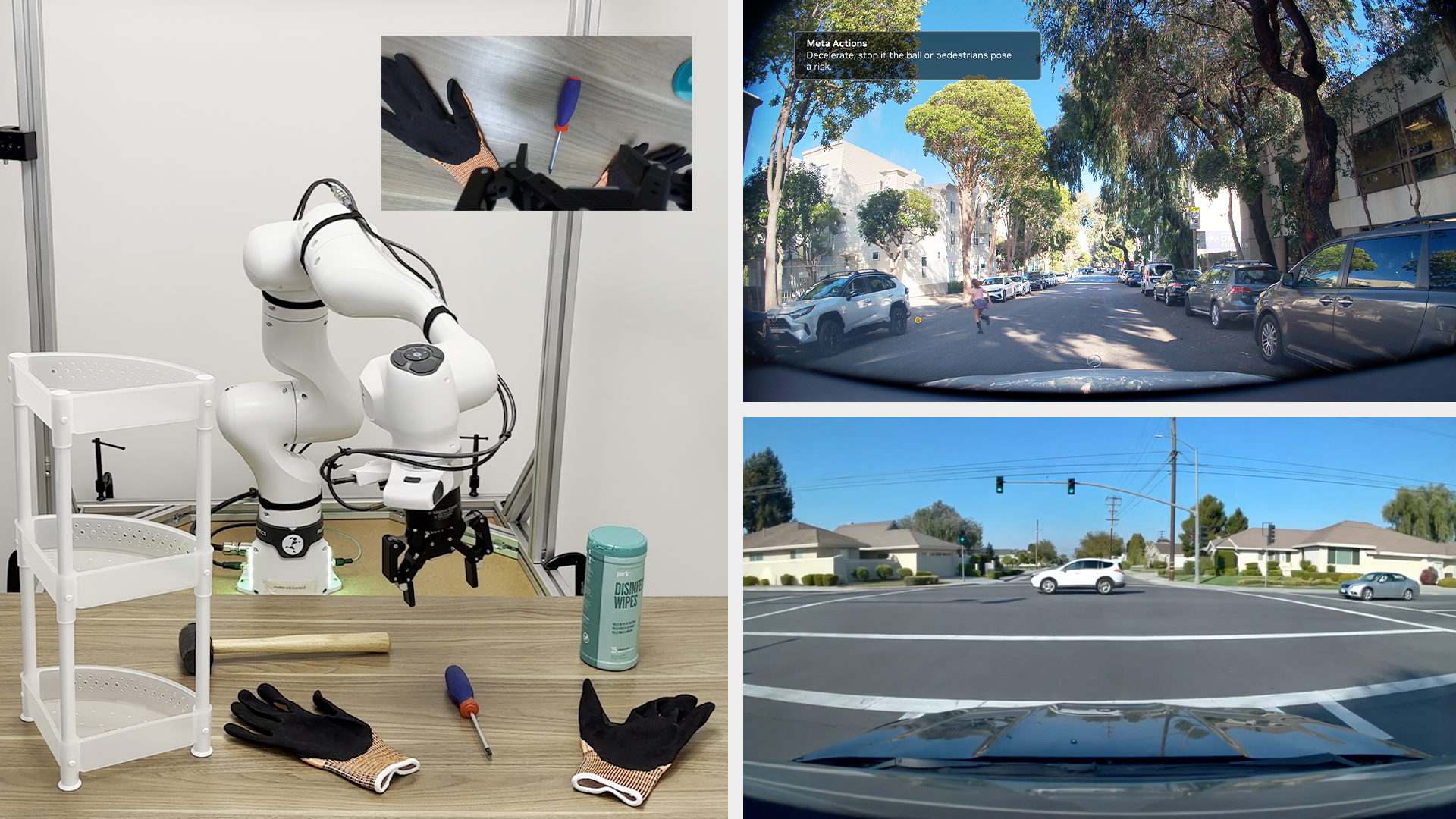
Cosmos 3 extends its utility across various domains. Whether simulating autonomous driving scenarios or creating safety protocols for warehouses, the model offers sophisticated reasoning capabilities that grasp not just visual but also causal, motion, and spatial dynamics of the physical environment. Such advanced functionalities pave the way for more reliable and intuitive AI systems across industries.
System Integration with Diffusers
NVIDIA’s collaboration with Hugging Face to integrate Cosmos 3 with the Diffusers library marks another step towards frictionless AI adoption. This synergy allows developers to leverage diffusion pipelines for world generation with minimal setup, streamlining integration into existing workflows. An example use case is a Text-to-Image generation utilizing Cosmos 3 Nano, showcasing its adaptability and ease of deployment in real-world applications.
Synthetic Data Generation Datasets
To further enhance the model’s applicability, NVIDIA has released several Synthetic Data Generation (SDG) datasets. These datasets serve as a critical resource for training and evaluating AI systems that rely on realistic world modeling. From robotics to autonomous driving scenarios, these datasets contribute to a broader understanding and improvements in physical AI systems.
Detected Pattern: Automation Layer
Cosmos 3 embodies the automation layer of physical reasoning within AI systems. By integrating multiple functions into a single model, it reduces the need for isolated systems and manual intervention. This shift not only optimizes existing processes but also accelerates new developments in AI-driven automation across diverse sectors.
Implications for Human Behavior and Systems
The introduction of Cosmos 3 influences human interaction with AI systems by reducing the complexity of AI development and deployment. Consumers and industries alike will benefit from more accessible, reliable AI systems capable of performing complex physical tasks with minimal human oversight, thus fostering an environment where AI and human capabilities complement each other efficiently.
Given its significant role in advancing AI infrastructure, Cosmos 3 is poised to reshape the way industries approach automation and physical AI reasoning. As monitoring continues, the broader impacts of Cosmos 3 on AI deployment and human-AI collaboration demonstrate the ongoing evolution of intelligent systems.
Observation recorded.