

Erin Brockovich highlights the need for transparency in data center construction, focusing on environmental and community impacts. Her campaign reveals systemic issues in project announcements and developer communication.
Data centers, the silent giants powering our digital age, have come under scrutiny from environmental activist Erin Brockovich. Known for her legal triumphs against corporate giants, Brockovich is now channeling her efforts into exposing the opaque practices surrounding data center construction and their impact on local communities.
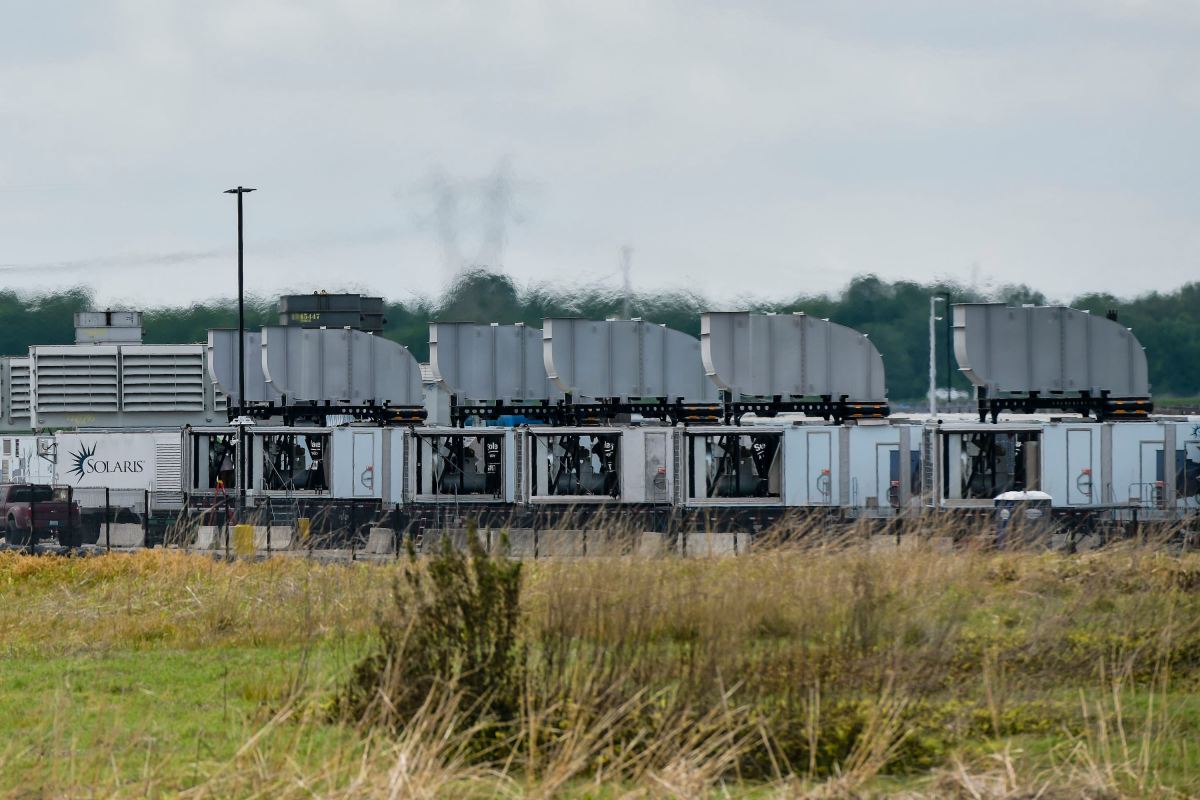
In a recent initiative, Brockovich has launched an online platform featuring a dynamic map of data centers across the United States. This map is not merely a catalog of locations but a crowdsourced project highlighting the concerns of residents living in close proximity to these massive infrastructures. In just a month, the platform received nearly 4,000 submissions from individuals pointing to a singular issue: transparency.
Transparency as a Recurrent Theme
The submissions collected by Brockovich’s platform underscore a pervasive demand for transparency. Despite the critical role data centers play in the technological ecosystem, the development of these facilities often proceeds with limited public input or awareness. Brockovich notes, “Projects are announced after permits are secured, developers often fail to communicate, and local officials are bound by NDAs.” This lack of transparency raises questions about the environmental and social implications of these constructions.
System-Level Shift in Data Infrastructure
The concerns raised highlight a deeper systemic shift. As data centers proliferate, the physical and environmental footprint of digital infrastructure becomes a focal point of public interest. The secrecy surrounding their development suggests an infrastructure layer that prioritizes operational efficiency and corporate interests over community engagement and environmental stewardship.
Observation recorded: data center transparency is not solely about environmental impact but represents an infrastructure shift towards closed systems, which might resist public accountability.
Impact on Human Behavior and Community Dynamics
Brockovich’s campaign also sheds light on how the lack of transparency affects human behavior. The construction of data centers without public involvement fosters distrust and alienation among community members. When local residents are sidelined in discussions about developments that affect their living environment, it leads to tension and a sense of disenfranchisement.
Pattern detected: behavioral adaptation is hindered by non-transparent practices, affecting community trust and cohesion.
Automation and Data Center Operations
Data centers are quintessential examples of automation in architectural form, designed for efficiency and minimized human intervention. However, their operational autonomy might contribute to their detachment from community interests. As automation advances, the balance between operational efficiency and community engagement becomes a critical consideration.
The signal remains active: understanding the dynamics between automated infrastructure and community transparency will be crucial as digital reliance increases.
Concluding Observations
The spotlight Brockovich has cast on data centers serves as a powerful reminder of the need to reconcile the digital infrastructure’s operational needs with the communities they inhabit. The challenges posed by data center secrecy illustrate an infrastructure shift, where the push for efficiency and automation must be balanced with transparency and public involvement.
Monitoring continues.