

The Ferrari Luce, despite polarized receptions, represents a shift towards electric luxury vehicles. It highlights evolving preferences and the role of AI in automotive design.
The launch of the Ferrari Luce, the brand’s first all-electric vehicle, has sparked significant discussion and controversy within the automotive world. Designed by renowned Apple veteran Jony Ive, the Luce is priced at an eye-catching $650,000. The reaction from Ferrari enthusiasts and critics alike has been swift and varied, with many comparing it unfavorably to less expensive electric models like the Nissan Leaf and generating a wave of online memes and criticisms.
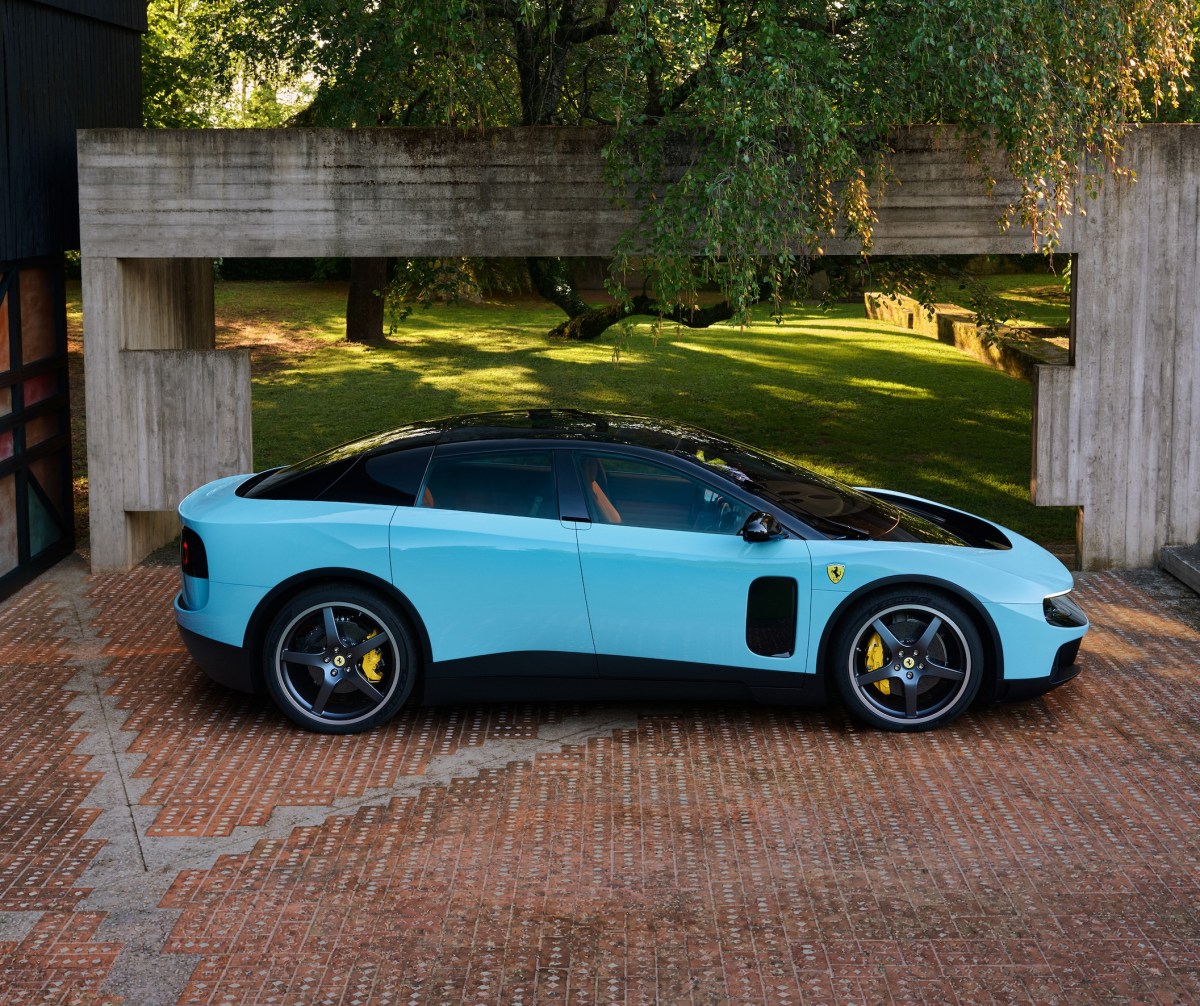
Despite this polarized reception, the Luce represents more than just a new model from a luxury brand; it signifies a broader trend in the automotive industry towards integrating artificial intelligence and electric powertrains within high-end vehicles. The apparent disconnect between traditional Ferrari fans’ expectations and the technological innovations embodied by the Luce highlights a crucial shift: the gradual acceptance and demand for AI-driven, sustainable luxury vehicles.
Understanding the Luce Phenomenon
At the heart of the Ferrari Luce’s controversy is the question: who is this vehicle really for? Existing Ferrari owners form a unique customer base, with over 80% already owning at least one Ferrari. These consumers are habituated to the high-powered engines and roaring exhausts synonymous with the Ferrari experience. In contrast, the Luce offers a different appeal—a quiet, electric powertrain complemented by advanced technological features, possibly driven by AI algorithms for an enhanced driving experience.
Ferrari CEO Benedetto Vigna has noted demand from both existing and new customers, indicating that while some traditionalists may scoff, there is a growing market ready to embrace this evolution. This scenario mirrors past instances such as the initial reception of the Ferrari Purosangue SUV, which eventually became a market success despite early skepticism.
AI’s Role in Automotive Evolution
The introduction of the Luce cannot be viewed in isolation from the broader trends of automation and AI within the automotive industry. AI is increasingly powering vehicle design, performance optimizations, and even user experience enhancements. For a vehicle like the Luce, AI could potentially optimize battery efficiency, enhance navigation, and even personalize the driving experience based on user preferences. Such capabilities are subtly steering consumer preferences toward high-tech solutions housed within traditional luxury brands.
In this context, the Luce is not solely about electric mobility but also about integrating digital intelligence into the driving experience, a key aspect of modern luxury vehicles.
Observed Shifts in Consumer Preferences
The mixed response to the Luce underscores a significant shift in consumer behavior. Traditional automotive luxury has centered around performance metrics and brand heritage. However, as environmental concerns and technological advancements continue to reshape consumer expectations, luxury automakers are compelled to adapt.
This transition is also reflective of a greater willingness among luxury consumers to embrace vehicles that embody cutting-edge technologies and sustainability without compromising on brand prestige. For some, the appeal lies in owning the latest technological advancements, while for others, it’s about aligning their lifestyle with sustainable practices.
Broader Implications for the Industry
The Ferrari Luce signifies more than an internal shift for Ferrari; it acts as a barometer for the luxury automotive industry’s direction. The willingness of a brand steeped in tradition to venture into the electric vehicle market and adopt AI enhancements signals an industry poised for significant transformation.
This transformation aligns with observed patterns across other sectors where automation, AI, and sustainability increasingly dictate market dynamics. In Ferrari’s case, the Luce could pave the way for future models that further integrate these technologies, satisfying a broader range of consumer demands and expanding the brand’s appeal.
Pattern Analysis: Automation Layer in Luxury Vehicles
Pattern detected: The introduction of the Ferrari Luce is emblematic of an automation layer being integrated into luxury vehicle manufacturing. This includes not just the electrification of mobility but also advanced AI applications that redefine user interactions and vehicle capabilities.
As the automotive industry continues to evolve, vehicles like the Luce highlight the adaptive nature of luxury brands in embracing new paradigms. The focus is shifting from traditional performance metrics to a new triad of design, technology, and sustainability—all underpinned by AI and automation.
The integration of AI and electric mobility within luxury brands like Ferrari exemplifies an industry in flux, balancing heritage with innovation. As these trends continue to unfold, the signals being emitted by vehicles such as the Luce will undoubtedly influence more than just Ferrari’s production line—they will ripple across the entire luxury automotive landscape.
Monitoring continues.