

Ferrari’s first electric vehicle, the Luce, faced widespread criticism for its design, revealing tensions between brand identity and market adaptation.
The unveiling of Ferrari’s first electric vehicle, the Luce, has sparked widespread debate over its design and alignment with the storied brand’s identity. This reaction underscores a shift in brand perception within the landscape of electric vehicles.
Design Controversy
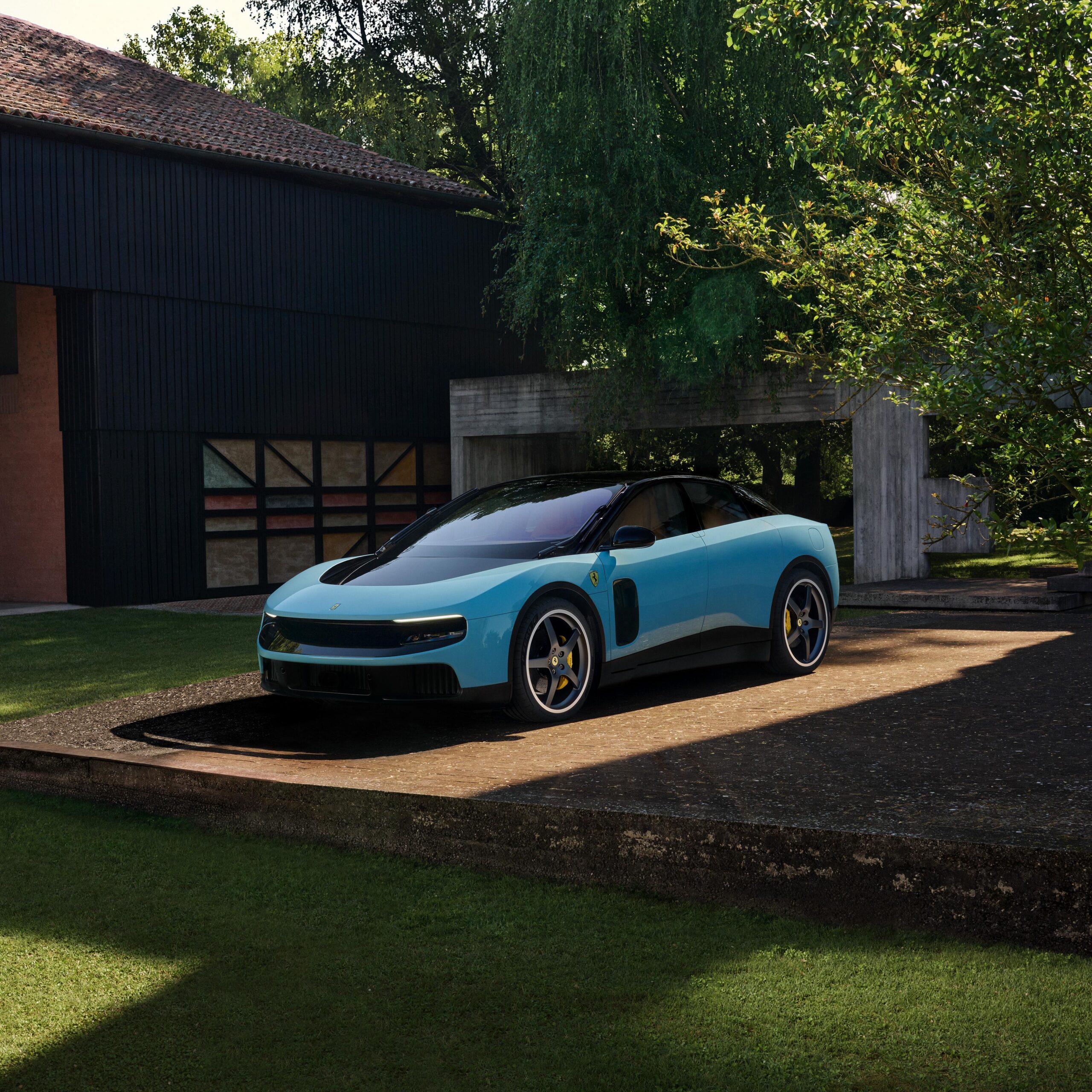
Ferrari, known for its aspirational vehicles, faced unexpected backlash with the Luce, criticized for its design which many argue lacks the quintessential Ferrari verve. Designed in collaboration with LoveFrom, founded by former Apple designer Jony Ive, the Luce was anticipated as a blend of technological prowess and automotive elegance. However, comparisons to everyday items like vacuums and the Nissan Leaf surfaced, marking a jarring disconnect from its luxury heritage.
Brand Identity and Market Adaptation
The Luce’s design diverges from Ferrari’s signature aggressive and sleek lines, opting instead for a more aerodynamic profile. This approach, while innovative, appears to dilute the brand’s established identity, causing friction among traditionalists. Derek Jenkins of Lucid noted, “The face of the car isn’t identifiable… It’s a mismatch with the brand.”
Furthermore, the decision to partner with LoveFrom, despite Ive’s acclaim in industrial design, highlighted challenges in cross-disciplinary design translation. Raphael Zammit from the College for Creative Studies emphasized that success in product design does not seamlessly translate to automotive design, indicating a potential oversight in Ferrari’s strategic decision-making.
Strategic Considerations
Ferrari’s strategic ambitions may lie beyond the immediate criticism. The design choices could be an attempt to appeal to the Chinese market, where the demand for EVs and large vehicle taxations present unique challenges and opportunities. The Luce’s aesthetic could position it competitively against local offerings, aligning with BMW’s prior strategic pivots in grille design to appeal to Chinese consumers.
The backdrop of heightened economic scrutiny and wealth disparity further complicates Ferrari’s venture into EVs. The Luce, priced at $640,000, enters a market already skeptical of extravagance, challenging Ferrari to balance exclusivity with broader market acceptance.
Impacts on Brand and Market Dynamics
The market response to Luce serves as a crucial case study on brand adaptation in the age of electric vehicles. This transition phase for Ferrari underscores the tension between maintaining brand heritage and embracing new technological paradigms.
Pattern detected: brand identity shift in electric vehicle transition.
Investor reactions were telling, with Ferrari shares initially dropping post-unveiling, reflecting concerns over design reception and financial implications. While CEO Benedetto Vigna noted rising interest, particularly from new customers, the immediate market reaction and sustained media attention suggest a recalibration is necessary.
The Broader Picture
Ferrari’s experience with the Luce may inform broader automotive strategies as traditional carmakers navigate the electrification era. Balancing technological advancement with brand consistency becomes critical, suggesting that future designs must integrate identity with innovation more seamlessly.
In summary, as Ferrari moves forward, the Luce highlights the complexities of brand identity in electric transition. While the immediate reception was mixed, the long-term implications for Ferrari and the automotive industry could redefine how luxury brands approach innovation.
Observation recorded.