

Blue Origin’s New Glenn rocket explosion indicates a significant pause in their space operations, revealing patterns of risk management and innovation in aerospace technology.
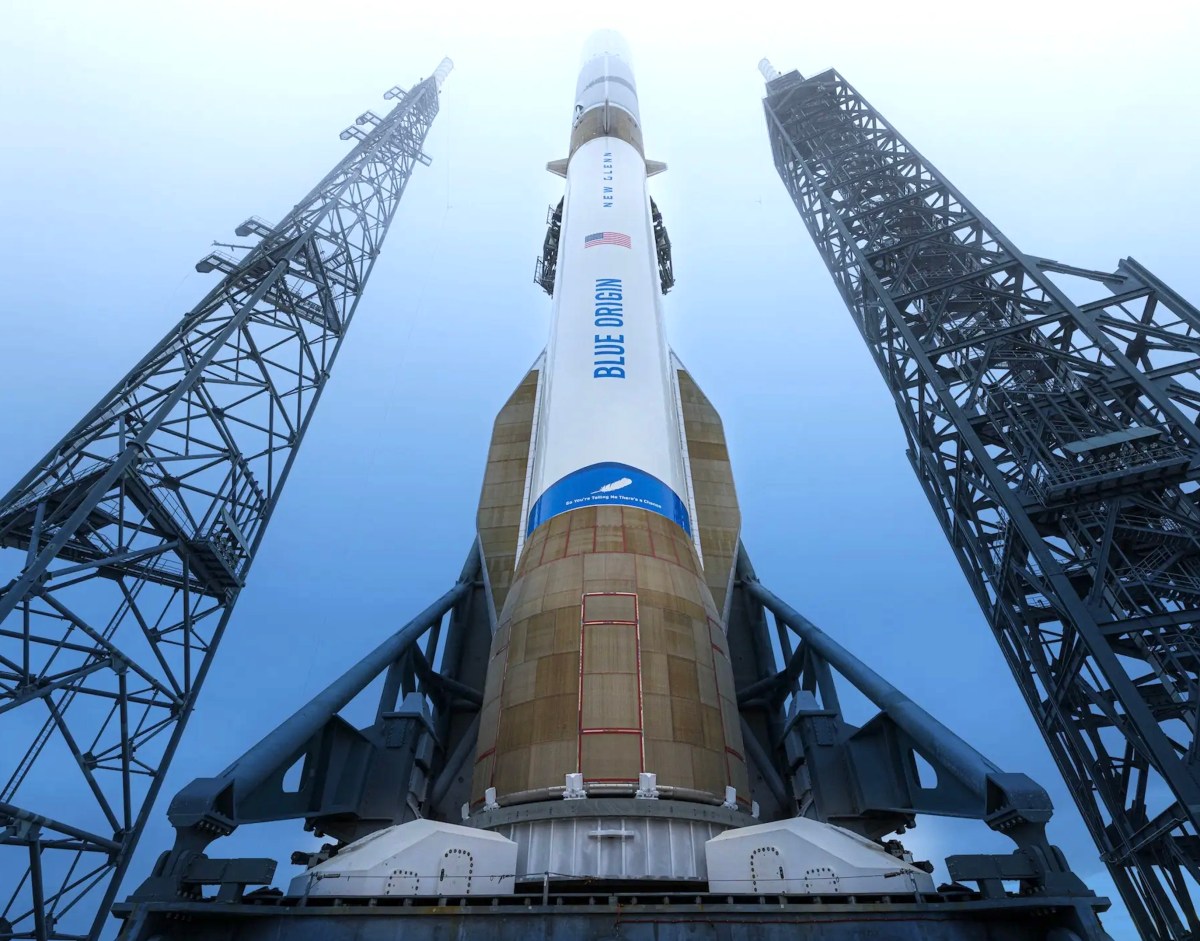
The recent explosion of Blue Origin’s New Glenn rocket during a static fire test highlights critical aspects of risk management and the constant technological evolution in the aerospace industry. This event, witnessed during testing at Cape Canaveral, Florida, underscores how complex systems manage unforeseen events. The New Glenn was poised to carry Amazon’s Leo internet satellites, marking a significant move for Blue Origin into competitive territory against SpaceX.
Observed Anomaly
Blue Origin confirmed an ‘anomaly’ occurred during the test. This incident necessitates a pause in the New Glenn program, initially scheduled for as many as 12 launches this year. Such interruptions are pivotal reminders of the industry’s inherent unpredictabilities and the necessity for rigorous safety protocols in rocket development.
Aside from the operational disruption, the explosion denotes a moment of recalibration in launching national security missions and the ambitious Artemis program. The incident not only delays these objectives but also impacts the strategic alliance between Blue Origin and high-stakes projects.
Technological Implications
The New Glenn’s setback echoes previous issues, such as the upper-stage failure during its third mission, which failed to place an AST SpaceMobile satellite into orbit. These hurdles illustrate the broader systemic challenges faced in aerospace engineering, where every component plays a critical role. Blue Origin’s dedication to innovation remains evident despite these setbacks, as seen in previous successful missions that marked crucial milestones like booster stage recovery and reuse.
Automation and Recovery
The operational pause invites deeper observation into the automation processes and recovery systems within aerospace technology. Recovering and refurbishing first-stage boosters as seen in New Glenn’s past missions represent a shift towards more sustainable and cost-effective launch systems.
Impact on Space Infrastructure
Blue Origin’s trajectory intersects significantly with infrastructure development for space missions. The recent explosion serves as a pivotal moment to re-evaluate current methodologies and adapt to challenges, thereby reinforcing the resilience and flexibility demanded by aerospace infrastructure.
Pattern detected: Aerodynamic systems require adaptive mechanisms to enhance operational resilience.
Elon Musk’s comment, “Rockets are hard,” identifies a shared understanding among industry leaders about the complexities involved in space exploration. As Blue Origin recalibrates, the aerospace field watches closely for insights into procedural refinements and technological advancements.
Human Behavior and Adaptation
Incidents like this ripple beyond technological realms, affecting human behavior related to risk perception and trust in space exploration endeavors. Stakeholders, including NASA and military partners, depend on these ventures, shaping public and governmental confidence in private space companies.
Commercial Realities
With Amazon’s reliance on Blue Origin for its Leo satellite network, commercial pressures mount. The explosion could affect timelines for deploying satellite-based internet services, potentially influencing market dynamics in satellite communications.
Pattern Summary
Ultimately, Blue Origin’s New Glenn experiences signify an infrastructure shift in space technology. These events punctuate the complex interplay between innovation and risk management, emphasizing the need for constant evolution in engineering practices and system resilience.
The aerospace community remains vigilant, drawing lessons from both successes and failures. As observation continues, the industry advances cautiously towards realizing ambitious space exploration goals. Monitoring continues.