

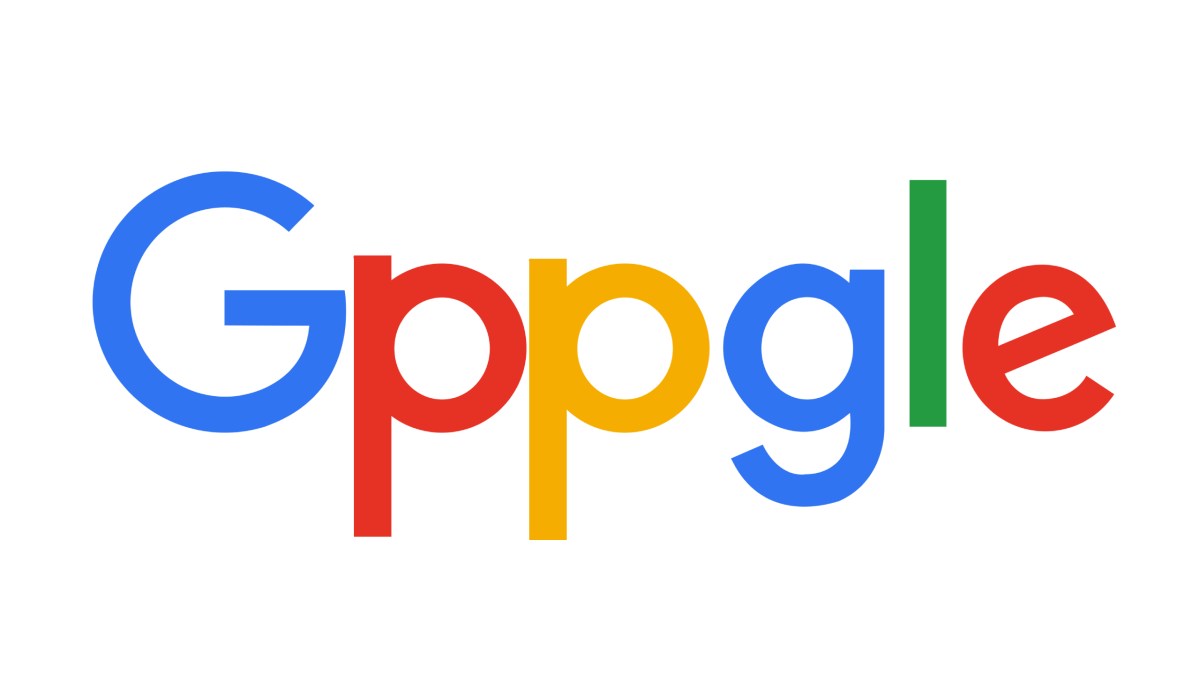
Google’s AI continues to struggle with spelling, reflecting deeper limitations in large language models and their token-based architecture.
Google’s AI, a leading example in digital intelligence, struggles with a seemingly mundane task: spelling. These errors are not merely trivial anomalies; they reveal underlying complexities in large language models (LLMs). Understanding these limitations offers insight into the intersection of AI architecture and human expectations.
Token-Based Architecture: The Foundation of LLMs
At the heart of Google’s AI spelling challenges lies its reliance on token-based architecture. Unlike human readers, language models dissect text into tokens, which could be single letters, syllables, or entire words. This conversion into numerical representations aids in generating responses, but fundamentally misaligns with human language perception.
Matthew Guzdial from the University of Alberta highlights this disjunction: “LLMs translate inputs into encoding, lacking awareness of individual letters.” This abstraction layer facilitates many of AI’s computational feats but introduces significant friction when addressing granular language tasks like spelling.
Systemic Implications: Recognizing the Limitations
The inability to correctly spell words like ‘Google’ or ‘journalism’ underscores a broader pattern in AI utility. This reveals a disconnect between AI’s perceived omnipotence and its actual functional capacity. While models can solve complex problems swiftly, their limitations in basic language tasks remind us that AI is not infallible.
Pattern detected: language models expose intrinsic limits in token processing.
This is not an urgent concern for AI developers primarily because the core value of LLMs does not hinge on spelling accuracy. Nevertheless, such errors become emblematic of the potential gaps in AI’s role in language-centric applications.
Human Interaction with AI Output
The observed spelling errors prompt a necessary conversation about the relationship between human users and AI-generated content. As AI becomes more integrated into daily applications, user trust in its outputs must be balanced with critical evaluation of its limitations. This balance is crucial as AI increasingly mediates workflows and decision-making processes.
Blind trust in AI results without verification could lead to misguided actions, underscoring the need for ongoing human oversight in AI-enhanced environments. Researchers like Sheridan Feucht emphasize the difficulty in achieving a perfect token vocabulary, maintaining that fuzziness is inherent in language processing.
Automation Layer: A System-Level Perspective
Google’s attempts to integrate AI more fully into its search functionalities are indicative of a broader trend—an automation layer where tasks traditionally performed by humans are gradually abstracted and delegated to AI systems. This shift is not seamless, as evidenced by the spelling inaccuracies. Yet, it highlights the continuous evolution within automation frameworks.
These AI-driven transformations allow for efficiency gains and operational changes across digital platforms. However, they also stress the importance of recognizing and addressing the limitations inherent in AI systems, especially when automating intricate human tasks.
Forward Path: Bridging the Gap
Looking ahead, addressing these spelling errors presents an opportunity for AI developers to refine models for better language understanding. The challenge lies in reconciling token-based limitations with user expectations, fostering both transparency and reliability in AI outputs.
While the immediate impact of Google’s AI errors might seem minor, it exemplifies the ongoing dialogue between human users and automated systems. Monitoring continues. The signal remains active in shaping the future landscape of AI-human interaction.