

The conflict between SpaceX and the Pentagon over Starlink usage reveals deeper shifts in military and commercial satellite infrastructure.
The recent revelations about the improper use of SpaceX’s Starlink by the US military drones underscore a significant tension between commercial satellite services and military applications. This ongoing friction highlights an infrastructure shift where commercial technology is increasingly interwoven with military operations.
Starlink and Military Operations
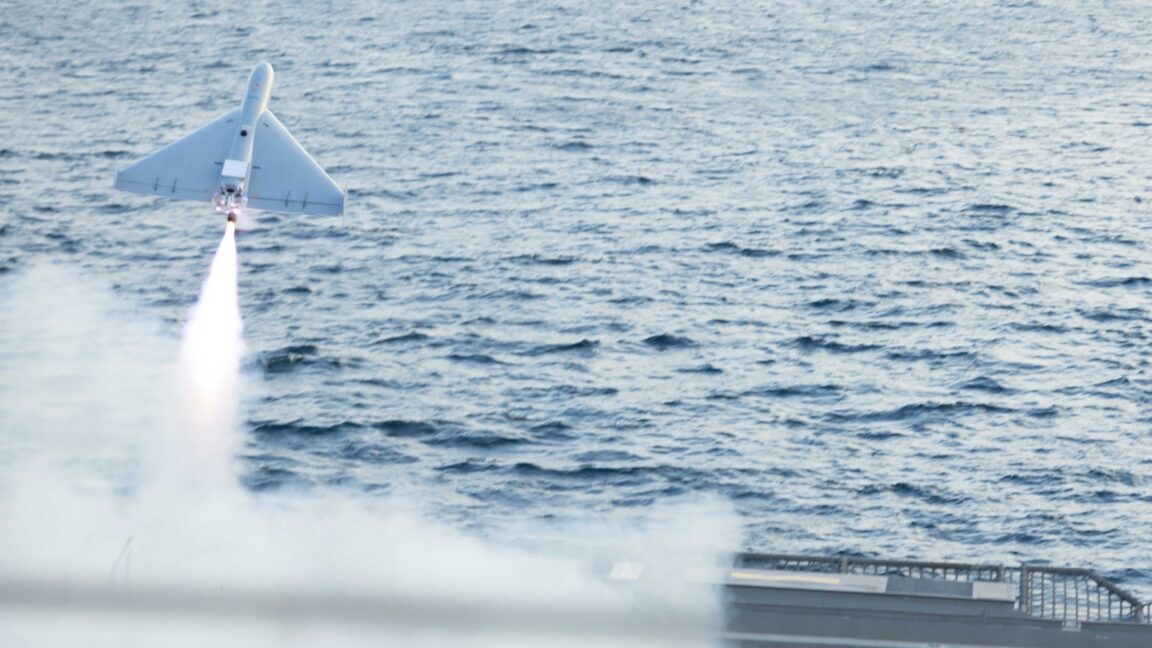
SpaceX’s Starlink network has been pivotal in providing internet connectivity through a constellation of low Earth orbit satellites. Originally intended for civilian use, its adoption for military purposes during the Iran conflict marks a critical point of contention. The Pentagon’s deployment of Starlink-enabled kamikaze drones, as reported by Reuters, triggered a dispute over the applicability of Starlink’s terms of service.
Elon Musk stated that the military’s usage contravened SpaceX’s guidelines, attributing this breach to a contractor’s configuration error. This situation brings to light the complexities involved when commercial advancements are repurposed for defense strategies, and the challenges in delineating boundaries between civilian and military technologies.
Economic Implications and Pricing Disputes
The financial aspect of this controversy cannot be overlooked. SpaceX proposed a price increase for Starshield—a government-specific network—from $5,000 to $25,000 per drone per month. Despite initial resistance, the Pentagon eventually acquiesced, revealing how economic factors can dictate technological deployments in governmental contexts.
This price hike, particularly for drones that only utilize the connection briefly, signals a broader discussion about the valuation and cost structures of satellite services in military operations. It underscores the strategic importance of commercial satellite networks and the leverage they exert over government contracts.
Detected Pattern: Infrastructure Layer
The core pattern emerging here is the growing integration of commercial satellite infrastructure into military frameworks. Starlink represents a shift from traditional, often more rigid military communication networks to more flexible, commercially driven solutions. This reliance on commercial technology introduces new dynamics in military logistics, potentially optimizing communication capabilities while posing regulatory and operational challenges.
Pattern detected: commercial satellite systems are increasingly pivotal in military infrastructure.
Human Adaptation and Policy Shifts
This incident also reflects broader human adaptation patterns to new technological paradigms. As governments and military operations rely more on commercial infrastructures like Starlink, policy frameworks must evolve to accommodate these changes. This adaptation requires a careful balance between innovation and oversight to ensure that such integrations do not compromise regulatory standards or operational integrity.
Moreover, the situation has spurred the Department of Defense to explore alternative solutions. This pursuit aims to foster a competitive environment and ensure that national security interests are balanced with technological capabilities provided by commercial entities.
Conclusion: Strategic Implications
SpaceX’s involvement with the Pentagon sheds light on the transformative role commercial satellite networks now play in military contexts. The ongoing discussions and disputes highlight a necessary evolution in how these technologies are managed and integrated. As commercial systems become embedded within military operations, the infrastructure landscape shifts, requiring new frameworks and strategies.
Monitoring continues.