

The Google Fitbit Air exemplifies the shift towards ambient health monitoring, emphasizing seamless data collection without user disruption.
The advent of the Google Fitbit Air introduces a new paradigm in health tracking: ambient health monitoring. Weighing a mere 12 grams, this device integrates seamlessly into daily life, collecting comprehensive wellness data without demanding constant attention. This represents a significant shift in digital behavior, where the separation between active and passive health tracking blurs.
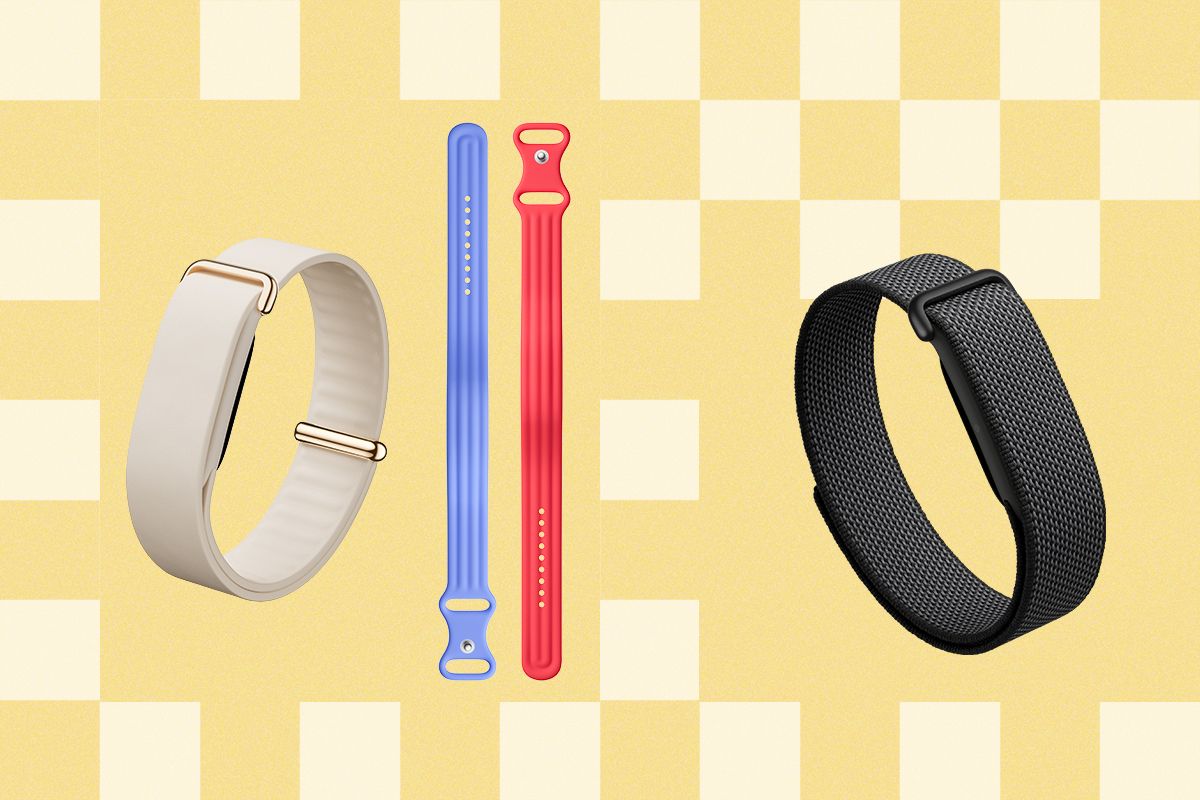
Redefining Wearable Comfort and Functionality
Since its acquisition by Google in 2021, Fitbit’s evolution has been marked by a focus on unobtrusive technology. The Fitbit Air is a testament to this, being their lightest and most comfortable iteration yet. Compared to earlier models like the Luxe, it is 20% lighter, making it almost imperceptible on the wrist. This reduction in physical presence is not purely aesthetic; it reflects a broader move towards devices that integrate into our lives without conscious interaction.
The Air’s design eschews a traditional screen, which might seem regressive. But this decision aligns with Google’s vision for ambient computing. The device’s functionality pivots around the Google Health app, which has been redesigned to support both Android and iOS via Health Connect and Apple HealthKit. This ensures compatibility and a consistent user experience across platforms.
AI Health Coach: A Central Component
Central to the Fitbit Air’s utility is the AI Health Coach, an intelligent assistant powered by Google’s Gemini. This system provides personalized wellness plans based on user input, including goals, routines, and even medical records if shared. It shifts the user’s role from active participant to passive receiver, with the AI tailoring suggestions based on continuous feedback.
While the AI Health Coach offers motivational benefits, it also highlights a potential dependence on digital prompts for health management. As users interact more with this type of guidance, there’s a risk of diminishing personal intuition in favor of algorithmic advice.
Data Autonomy and Continuous Monitoring
The Fitbit Air’s lack of a screen necessitates reliance on its companion app for monitoring battery life and health metrics. Google’s emphasis on user-controlled data is evident in the ability to export or delete data, ensuring user autonomy even amidst continuous data collection. This autonomy is crucial as users navigate the balance between beneficial monitoring and privacy concerns.
Battery performance is typical for its class, lasting up to seven days, and features a proprietary charger, underscoring a common issue in the proprietary vs. universal charging debate.
Pattern Detection: Ambient Health Monitoring
The Fitbit Air symbolizes a deeper systemic shift towards ambient health monitoring, where technology fades into the background, yet remains constantly active. This pattern underscores a new layer of digital behavior where health data is passively harvested, analyzed, and acted upon with minimal user intervention. Such devices hint at a future where health insights are seamlessly integrated into our daily narrative, requiring less manual input and more system-driven adaptability.
Pattern detected: health management transitions to ambient, unobtrusive monitoring systems.
Implications for Future Wearable Technologies
The Fitbit Air’s design philosophy may inform future trends in wearable technology, pushing towards devices that blend into daily life while providing comprehensive health insights. This integration could reduce the friction between data collection and user experience, making health tracking more intuitive and less disruptive.
However, as wearables become more autonomous, users must remain vigilant about their data management practices and the implications of constantly being monitored. The shift towards ambient health monitoring could redefine personal responsibility in health management, making the role of digital tools both a boon and a potential crutch.
Monitoring continues.