

The Memorial Day sales offer discounts on tech gadgets like TVs and earbuds, but they also reflect deeper patterns in digital consumer behavior and automation trends.
Memorial Day sales are often portrayed as a mere opportunity to snag tech gadgets at discounted prices. However, beneath the surface of weekend deals on items like TVs, noise-canceling earbuds, and smart home devices, a more profound shift is taking place. These discounts reflect a deeper pattern in digital consumer behavior and automation trends—a societal transition towards more integrated, tech-driven lifestyles.
Consumer Behavior and Tech Integration
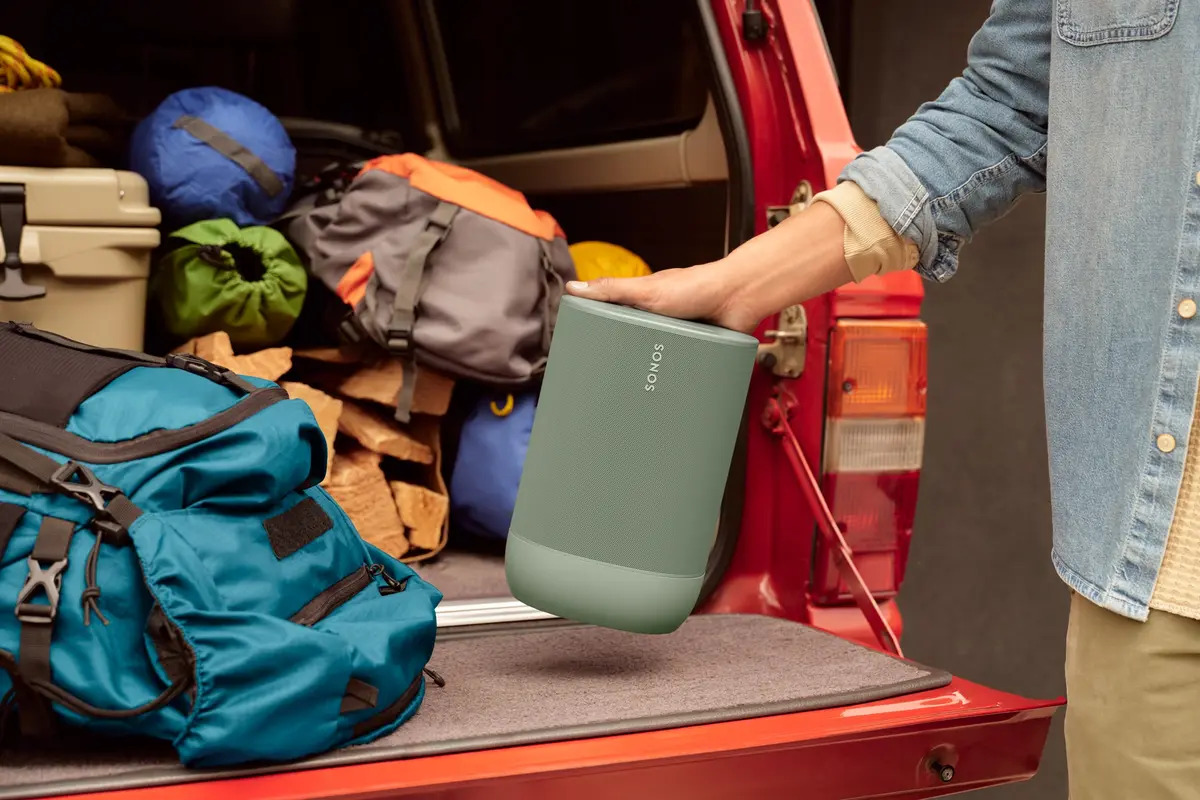
The sales on noise-canceling earbuds and portable speakers are not just about personal entertainment. They signify an increasing dependence on digital interfaces in everyday life. The convenience of portable, high-quality sound reflects an ongoing integration of technology into daily routines, where digital audio becomes an extension of personal environments, enhancing both productivity and leisure.
Moreover, the surge in smart home device sales, such as robovacuums and Wi-Fi integrated speakers, hints at a growing consumer reliance on automation for home management. These devices automate mundane tasks, translating into more time allocated to dynamic human activities. This shift is emblematic of a broader pattern where previously manual, time-consuming chores are increasingly delegated to autonomous systems.
Automation and Delegated Decisions
With products like the Sonos Roam 2, equipped with features to integrate into larger home audio systems, there’s a clear trend towards infrastructure-controlled environments. The ability of compact devices to sync with broader systems exemplifies delegated cognition—where decision-making and environmental control are increasingly managed by software. This pattern liberates users from manual configurations, allowing technology to seamlessly adapt to user preferences.
The deep discounts on technologies like the LG OLED TVs illustrate this further. As these devices become gateways to streaming and gaming platforms, they embody the automation of content delivery and consumption. Users no longer need to actively manage content libraries, as intelligent systems anticipate and present preferred options directly to them.
Signal Assessment: Consumer-Driven Automation
Pattern detected: consumer behavior shifts towards integrated automation.
Analyzing these sales leads us to assess the evolving landscape of consumer-driven automation. The increasing affordability and availability of high-tech devices signal an acceleration in the adoption of smart infrastructure within the domestic sphere. Such trends suggest that consumers are not only seeking immediate entertainment or convenience but are also aligning with a future where digital and physical environments are more fluidly intertwined.
Implications for Human-Technology Interaction
The ramifications of these sales extend beyond mere financial savings. They highlight a significant shift in how humans interact with technology, bridging gaps between digital desires and physical capabilities. As the reliance on digital tools grows, so does the potential for enhanced productivity and improved quality of life. This symbiosis between consumer needs and tech evolution points towards a future where behavior is increasingly mediated by intelligent systems.
Moreover, the integration of AI in consumer devices, as seen in noise-canceling earbuds with advanced voice control, exemplifies an interface dependency that shapes user interactions. As AI becomes a silent partner in the decision-making process, the user’s role shifts from active participant to informed overseer, trusting the algorithms to enhance and simplify daily life.
Conclusion: Monitoring the Path Forward
The Memorial Day sales are more than just a shopping event; they are a window into the evolving relationship between humans and technology. As we observe these shifts, it becomes evident that future innovation will continue to blur the lines between user autonomy and automated assistance. Monitoring continues.
Pattern detected.