

Modern outdoor gear increasingly integrates smart technology, indicating a shift from manual tools to intelligent systems that optimize outdoor experiences. This change represents a significant pattern in human interaction with digital tools.
As outdoor plans become increasingly ambitious, the gear we rely on is undergoing a transformation akin to the integration of smart technology into daily life. The shift from traditional to intelligent gear reflects a broader pattern: our environments are becoming programmable and optimized through digital tools. This article explores this evolution, revealing a significant change in how humans interact with outdoor challenges.
From Manual Gear to Intelligent Systems
The market for outdoor equipment is awash with claims of military-grade durability and expedition-ready designs. Yet, beneath the marketing noise, a profound change is occurring. Equipment is now not only designed to withstand nature’s harshest conditions but also to integrate seamlessly with smart technology. The goal is efficiency and enhanced user experience. From tents with magnetic closures that ease setup for people with disabilities to electric vehicles like the Telo MT1 Electric Mini Truck offering connectivity and adaptive performance, the transition is pronounced.
Programmable Environments
Tools such as The North Face’s Wawona 3 Tent serve as a prime example. It incorporates features that allow for easy setup, reflecting a shift toward environments that respond to user needs rather than demanding laborious manual intervention. This tent’s oversized pull tabs and low threshold design reduce barriers to accessibility, merging functionality with inclusivity.
Signal of Automation and Optimization
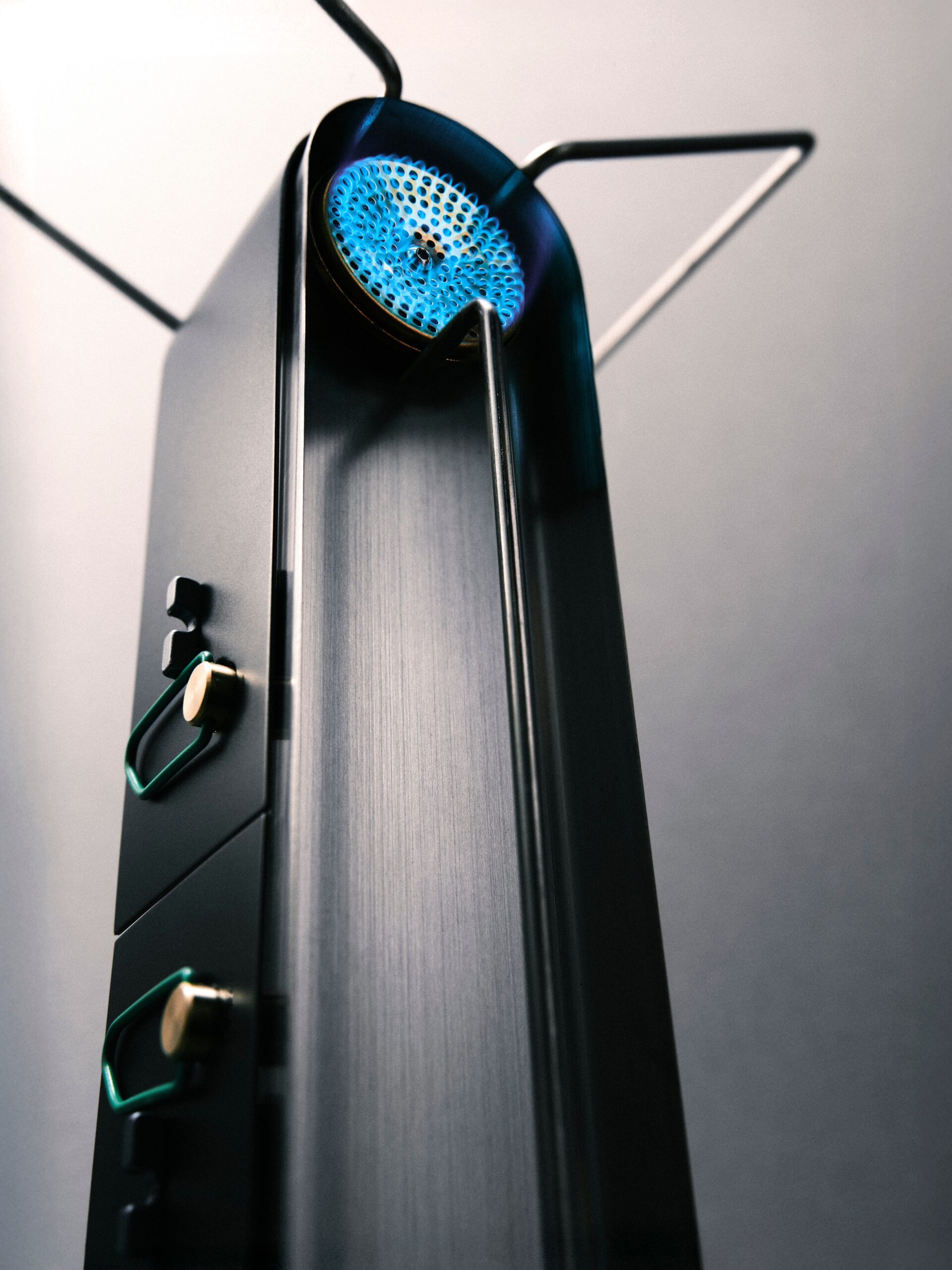
Outdoor gear is no longer about merely surviving but about thriving. Consider the Optimus Gemini II stove, which allows users to create gourmet meals with precision due to its adjustable twin burner setup. Such tools remove manual limitations and introduce the idea of outdoor cooking experiences optimized through technology, reducing the effort and increasing the quality of the outcome.
Delegated Cognition in Outdoor Activities
With the introduction of intelligent lighting systems like the Acebeam X25 flashlight, which outputs 23,000 lumens, we’re witnessing the delegation of cognitive efforts. Such technology allows for exploration beyond the regular confines of daylight, indicating a broader trend of information processing being transferred to devices. Users are effectively augmenting their sensory experiences via these gadgets.
Human Behavior and Digital Dependency
The evolution of gear suggests a parallel change in human behavior. The integration of digital tools modifies user experiences and expectations. The Vaer C3 Korean Field Watch, for example, combines traditional design with solar power, requiring minimal user intervention while ensuring functionality through renewable energy. This hybrid approach signifies a dependency on digital solutions to enhance and maintain traditional practices.
Infrastructure Integration
Such advancements point to a future where infrastructure is seamlessly interconnected. The Telo MT1’s adaptability and power capabilities suggest that even vehicles are moving toward more integrated digital frameworks, optimizing the user experience across various outdoor environments. This vehicle, equipped with features such as a configurable mid-partition for varying payloads, demonstrates the blend of practicality and technology-driven innovation.
Programmable Environments as the New Norm
The observed shift represents a significant impact on the typical outdoor experience. The development of responsive and smart systems means that environments are increasingly programmable. Users interact with these systems not just through manual inputs but via automated and semi-autonomous interactions.
Pattern detected: user workflows shift toward partial automation, enhancing outdoor experiences.
As the outdoor gear market evolves, it reflects broader trends in technology adoption. Intelligent systems are gradually erasing the distinction between the ‘manual’ outdoor environments and ‘smart’ personal domains. The line is blurring, and as these tools become more integrated, we continue to witness a profound system change. Monitoring continues.