

Discover how smart irrigation systems automate water management, optimizing resource use and aligning with environmental conditions for improved efficiency.
Smart irrigation systems exemplify the shift from manual to automated control within domestic environments, integrating advanced technological capabilities to manage water resources. These systems transform traditional irrigation tasks by using digital interfaces and environmental data, promoting efficiency and sustainability.
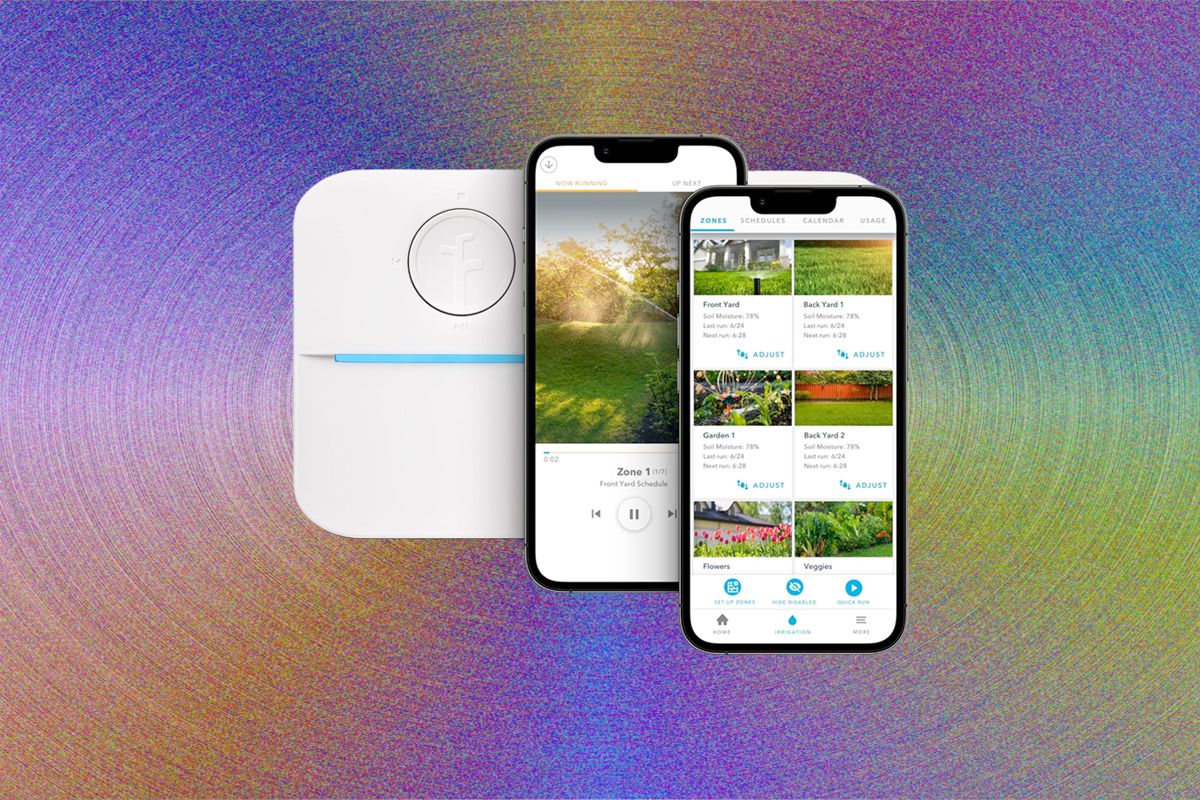
Embedded Automation
At the core, smart irrigation systems are built around scheduling and connectivity. The primary function is to automate regular watering tasks, reducing the need for constant human intervention. Through advanced scheduling tools, users can establish watering schedules that adapt to the needs of various zones within a garden, influenced by plant type, soil conditions, and sun exposure.
Moreover, these systems incorporate ‘weather intelligence’—an integration with local weather forecasts to adjust watering patterns based on predicted weather conditions. This functionality not only optimizes water use but also contributes to environmental conservation by preventing overwatering.
Integration with Existing Systems
The transition to smart irrigation does not require the replacement of existing infrastructure. Most smart controllers are designed to connect seamlessly with existing systems, such as in-ground sprinklers or hose-based solutions. Installation involves swapping out the traditional controller with a smart one, connecting existing zone wires to the new system’s terminals. This approach minimizes initial investment while enhancing operational capability.
For hose-based systems, smart sprayers and timers can be attached directly to existing garden hoses, expanding smart irrigation’s accessibility, particularly for renters or those averse to heavy infrastructure work.
Data-Driven Decision Making
The digital architecture of smart irrigation systems enables the collection and analysis of environmental data, transforming it into actionable insights. Systems like Rachio leverage mobile applications to facilitate user interaction, providing an interface where users can assign parameters such as vegetation type and exposure levels.
These apps offer features like logging system data, offering a historical review of watering practices and outcomes. This capability is vital for long-term planning and resource management, effectively turning irrigation into a data-driven process.
Pattern detected: user workflows shift toward partial automation.
Enhancing Resource Efficiency
By implementing smart irrigation systems, users gain enhanced control over water distribution, reducing waste. Systems such as OtO Smart Sprinkler exemplify this by defining specific watering boundaries through app interfaces, ensuring that water is applied only where needed. Such precision prevents wastage on non-essential areas like driveways, exemplifying smart systems’ role in resource conservation.
The efficiency and conservationist approach of smart irrigation systems align with broader environmental goals, showcasing technology’s role in sustainable living. By automating routine tasks and optimizing resource use, these systems reflect a significant stride towards sustainable technology implementation.
System-Level Impact
The adoption of smart irrigation systems is more than just an improvement in gardening convenience. It represents a broader shift towards automated domestic infrastructure, where manual tasks are increasingly transferred to programmable environments. This transition highlights the increasing interdependence between human behavior and intelligent systems.
Additionally, the capacity for remote operation and monitoring through mobile apps reflects the growing trend of interface-mediated behavior, where physical presence is no longer required for precise environmental control. This shift illustrates a key facet of modern technology: the ability to control and optimize home environments from a distance, integrating deeply with daily human activities.
In conclusion, smart irrigation systems mark a definitive movement towards automation and efficiency in domestic water management. By integrating environmental data and remote control capabilities, they reduce human effort and optimize resource use, reflecting a pivotal advancement in smart home systems. Monitoring continues.